
The Sabah government has deployed static water tanks in several squatter settlements as part of an urgent effort to curb rampant water theft that has disrupted supply to thousands of homes.
Deputy Chief Minister and Works Minister Datuk Shahelmey Yahya said the move is aimed at stabilising water distribution, especially in neighbourhoods frequently plagued by leaks and low pressure.
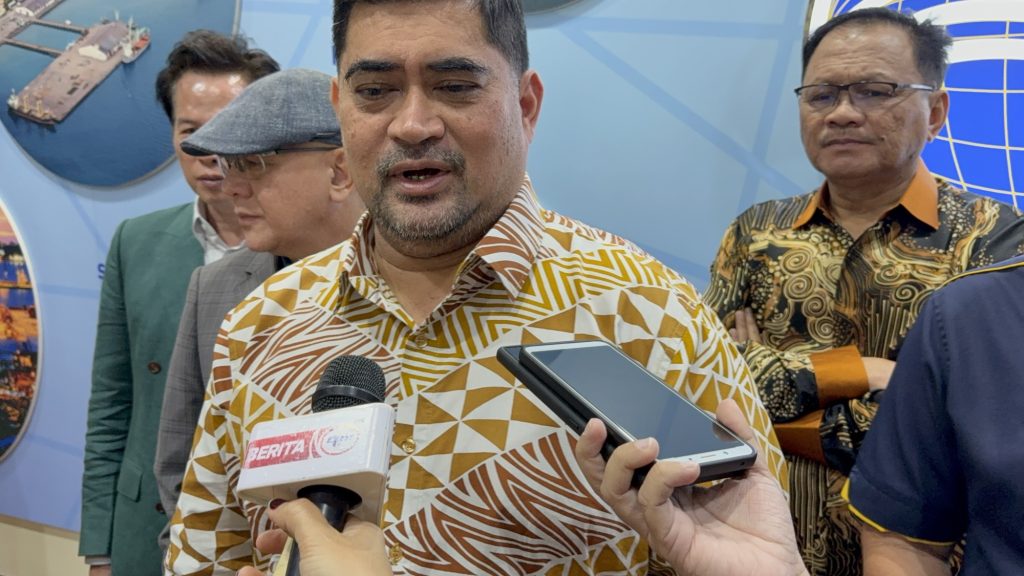
“We’ve identified multiple illegal connections in these areas. They not only reduce water pressure downstream but also damage the integrity of our pipeline network,” he said at the Putatan Aidilfitri open house on Sunday (April 20).
“To reduce the impact of theft, we are supplying static tanks.”
However, he acknowledged that the initiative has hit a temporary snag due to land access issues, which authorities are working to resolve before continuing the rollout.
Shahelmey stressed that while the government is responding to the communities’ basic needs, the water supply is not meant to be free.
“These people still need water, and not all of them are undocumented migrants.
“There are many locals living in these areas, although I can’t give a specific figure. But water is a resource that should be paid for,” he said.
His comments come amid mounting frustration over frequent supply cuts, including one that hit the Sabah State Assembly building during a sitting on Wednesday (April 16).
Shahelmey said the disruption was caused by a burst 1,000mm main pipe in Tuaran, which was repaired within two days. Water began refilling the K1 main tank by the morning of April 17.
“Once the K1 tank was at a stable level, we detected another leak—this time in Kampung Brunei, Sepanggar, along the pipeline sending water to the R13 tank at UMS. The leak, caused by an illegal connection, was repaired the same day,” he said.
By early April 18, water levels in the R13 tank had recovered to over three metres, allowing normal supply to resume.
He added that some areas, including Alam Mesra, experienced further delays due to airlocks in the pipes, which had to be flushed out by the Water Department.
Other areas, such as Kampung Likas, continue to face low water pressure caused by frequent illegal tapping and pipeline blockages.
Despite land-related delays, Shahelmey said long-term improvements are in sight.
“Once the new transmission pipe from Telibong II is completed and integrated with Telibong I, we will be able to reach optimal water production,” he said. “Right now, output remains at 100 to 105 million litres per day. Based on my last inspection in March, I’m confident the upgrade will be finished by the end of June.”
Shahelmey said he will co-chair an upcoming meeting with Federal Works Minister Datuk Seri Alexander Nanta Linggi to iron out issues delaying Phase 1B of the Pan Borneo Highway Sabah project.
He said the government is determined to avoid the setbacks that plagued Phase 1A, particularly with regard to technical design approvals, utility relocation, and land acquisition.
“The land acquisition process is being slowed by a lack of manpower in the relevant valuation and land offices. Departments have been instructed to increase staffing by any means necessary,” he said.
Utility relocation remains his biggest concern, he added, citing red tape and budget constraints.
“We hold monthly meetings to tackle these problems early and keep the project moving forward,” he said. – April 20, 2025
